



Capacitor & Switch Math and Fab
In Part 2, I showed you the core components. Now it’s time to prove with math that these components will actually generate a powerful pulse, and then design the two parts that achieve the nanosecond speed: the capacitor’s size and the Spark Gap’s structure, and get the design mostly in place for initial powerup and test.
⚠️ Triple-Threat Safety Imperative: READ THIS FIRST
THIS PROJECT INVOLVES THREE DISTINCT LETHAL/HARMFUL HAZARDS. DO NOT ATTEMPT REPLICATION WITHOUT ADVANCED HIGH-VOLTAGE EXPERIENCE AND PROPER VENTILATION.
- 1.
 Lethal High Voltage: The 10,000 V circuit is lethal. NEVER touch the circuit when power is applied. All components must be contained within a grounded, non-conductive enclosure with safety interlocks before operation.
 - 2.
 Harmful UV Radiation: The laser emits deep ultraviolet (UV) light (around 337 nm). This radiation is invisible, damaging to the retina, and can cause skin burns. NEVER look into the beam or at the spark without certified UV-blocking eye protection.
 - 3.
 Toxic Ozone Production: The high-energy discharge generates ozone (O₃) gas (a toxic air pollutant). Operation must be limited to short bursts and always performed in a well-ventilated area or under forced exhaust.
Classroom Use: Replication in any educational setting requires direct, professional supervision and a fully interlocked safety enclosure system.
📐 The Capacitor Guarantee: Hitting 27.5 nF
The “Wow Factor” requires storing at least 20 nF. I calculated the total capacitance of my system using C = (εᵣ ε₀ A)/d:
- Area (A): Two 5″ × 7″ plates give me 70 in² (≈ 0.045 m²).
- Result: The calculation yields: C ≈ 27.5 nF. This is exactly in the target range!
Here is the raw Cap Bank build from these specs, showing how i applied the adhesive kapton, etc…:
💥 The Channel: Blade Fixturing and Brush Contacts
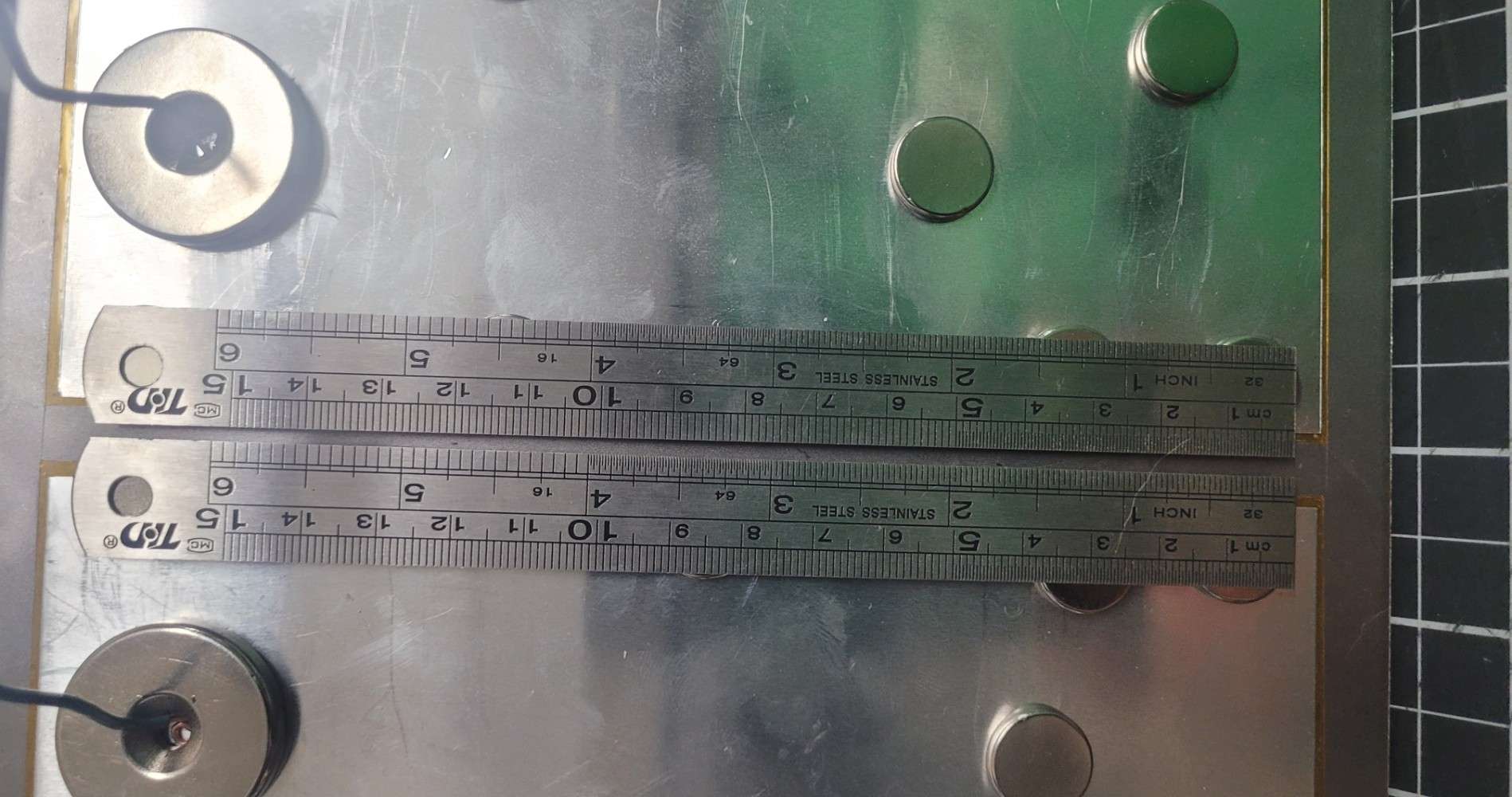
The two 6 inch steel rulers must be held 1 mm apart and have a perfect electrical connection.
- Electrical Contact: I’m going to try a magnet array to make electrical connection to the top plates.
- Structural Fixturing: I’ll use the same method above for the mechanical connection as well.
I may have to alter this design as this is the most critical, and finicky part of the device.
⚡ The Switch: Designing the Spark Gap
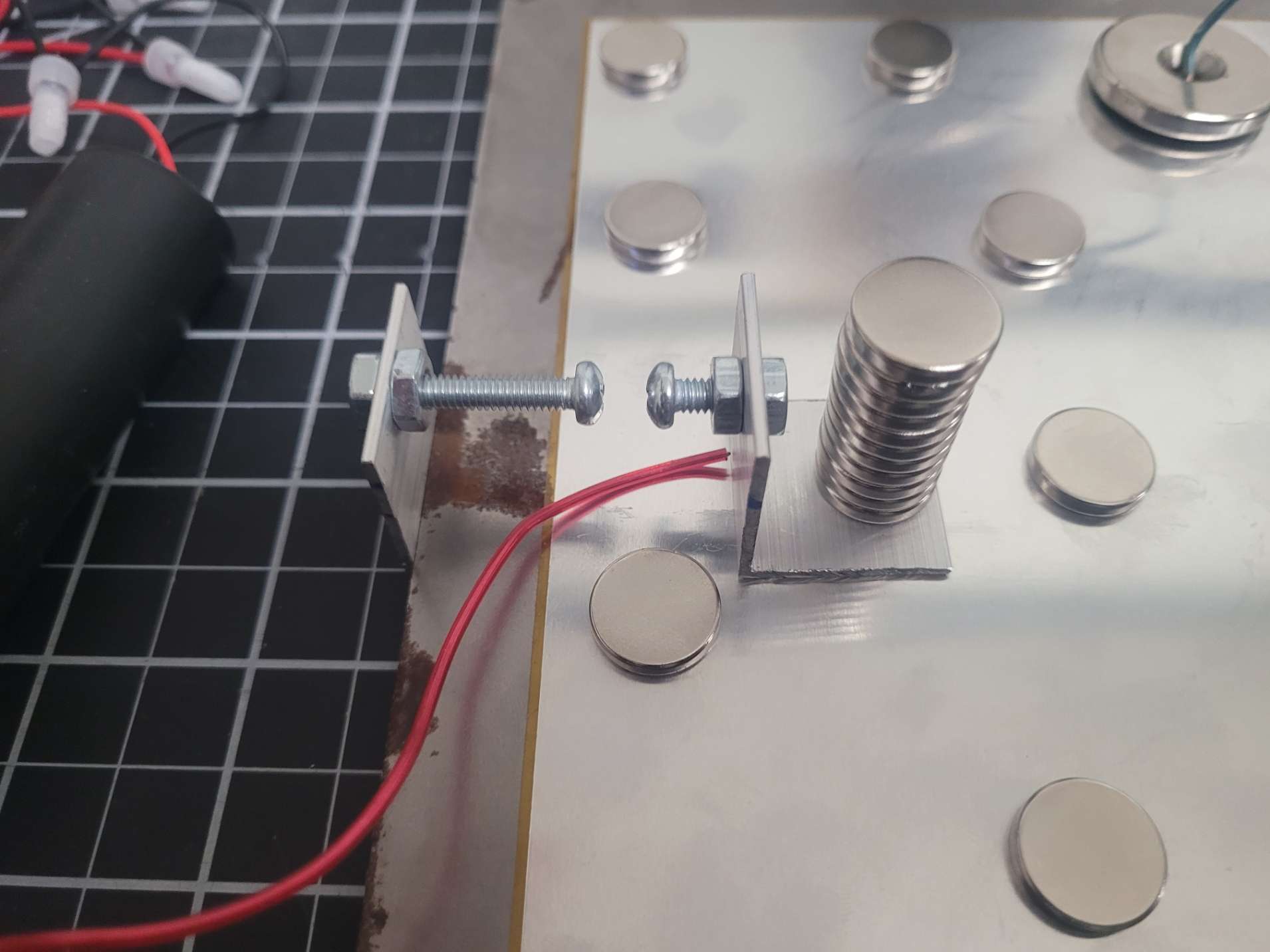
The Spark Gap (SG) is the high-speed switch. I’m designing it for low inductance and durability:
- Electrode Material: I will use machine screws.
- Adjustability: The SG can be adjusted by the screws and/or by sliding the SG top-plate side bracket as it is just held in place with a stack of magnets.
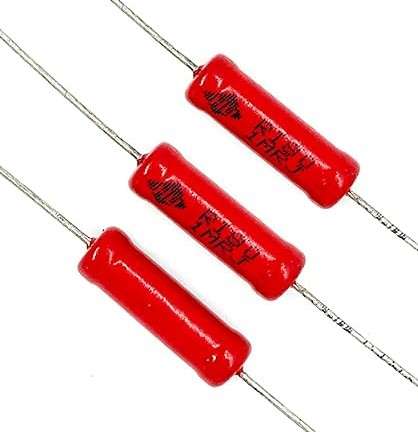
NOTE: We also need resistors for the project and they are on the way.. hi-voltage 1MΩ for charging and for making a discharge feature for safety.
Stay tuned for Part 4!