



HISTORICAL OVERVIEW
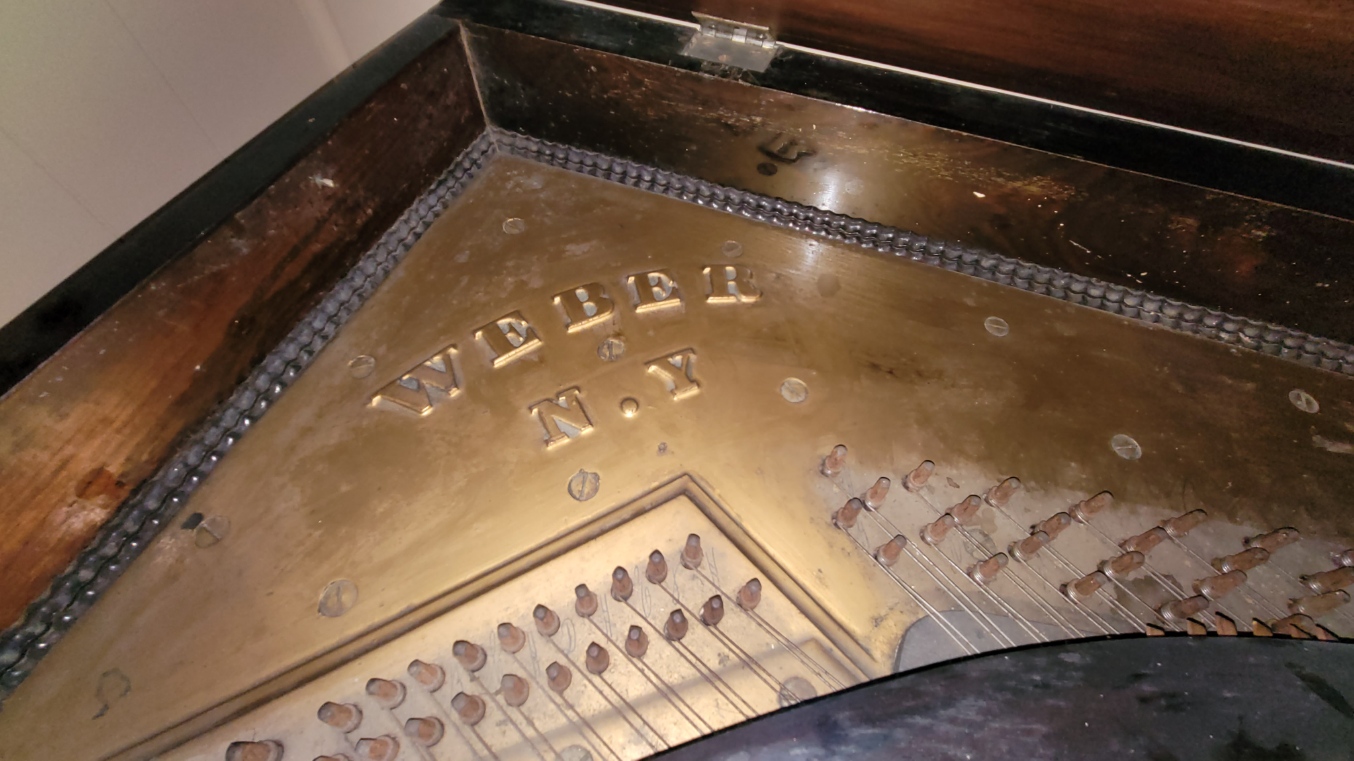
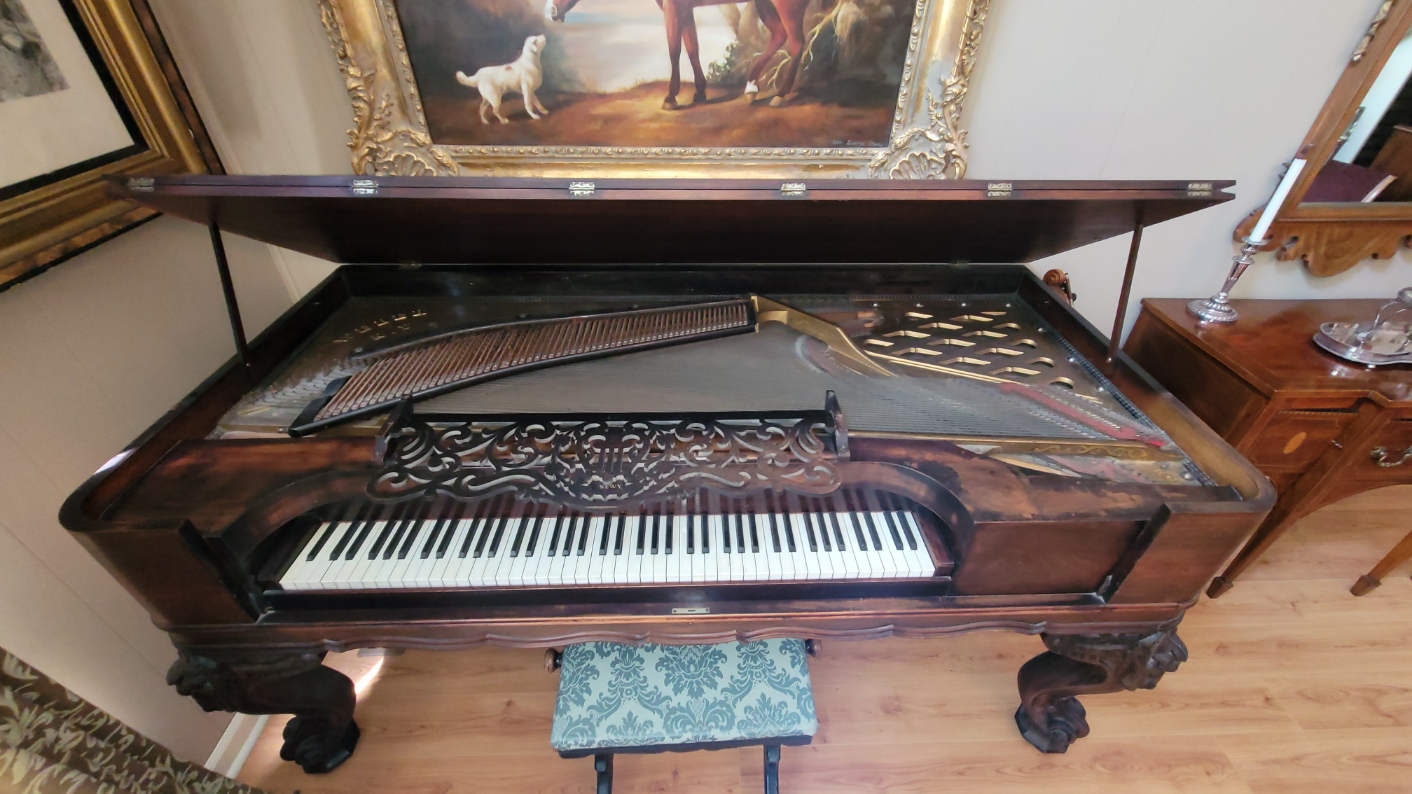
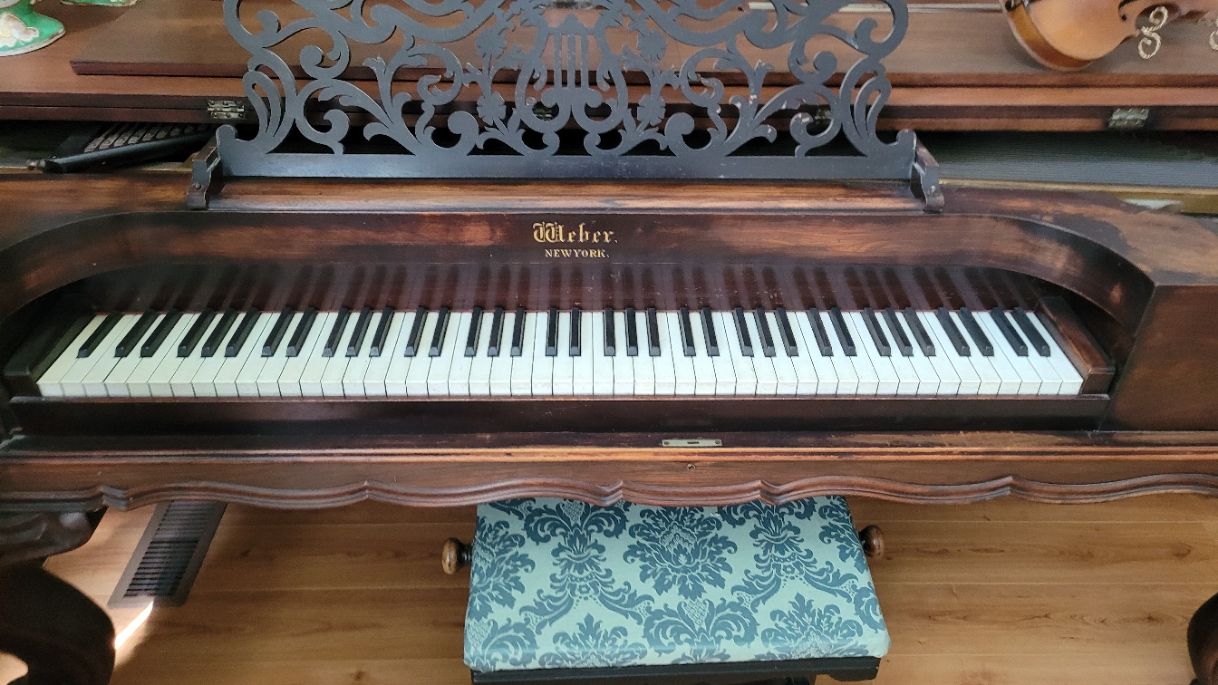
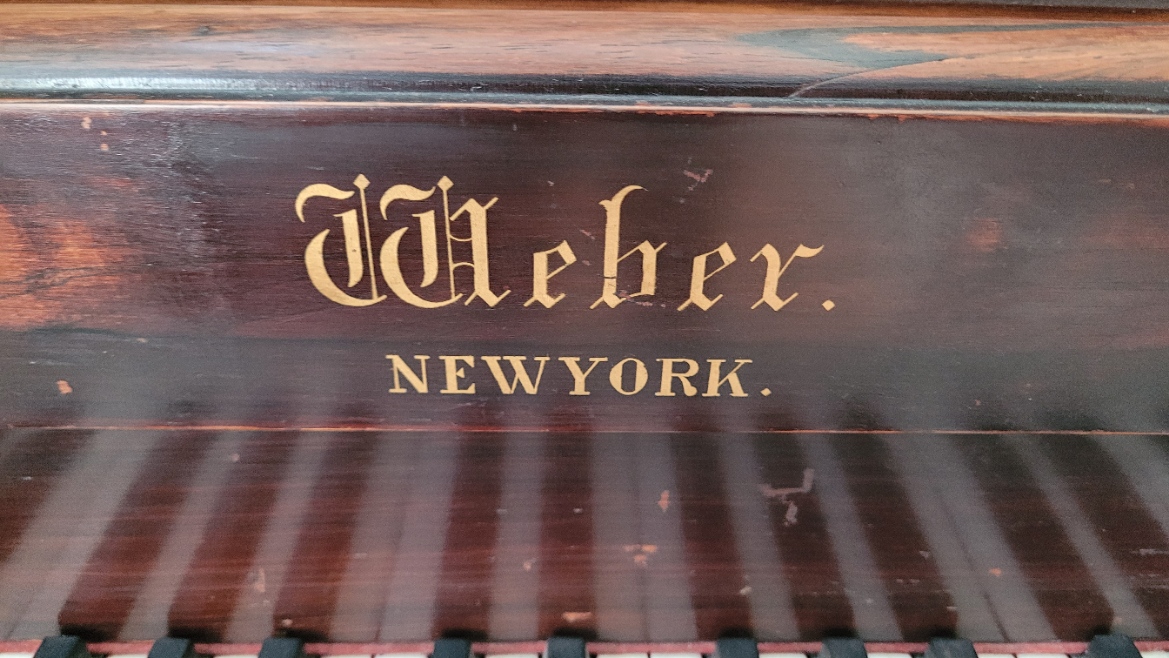
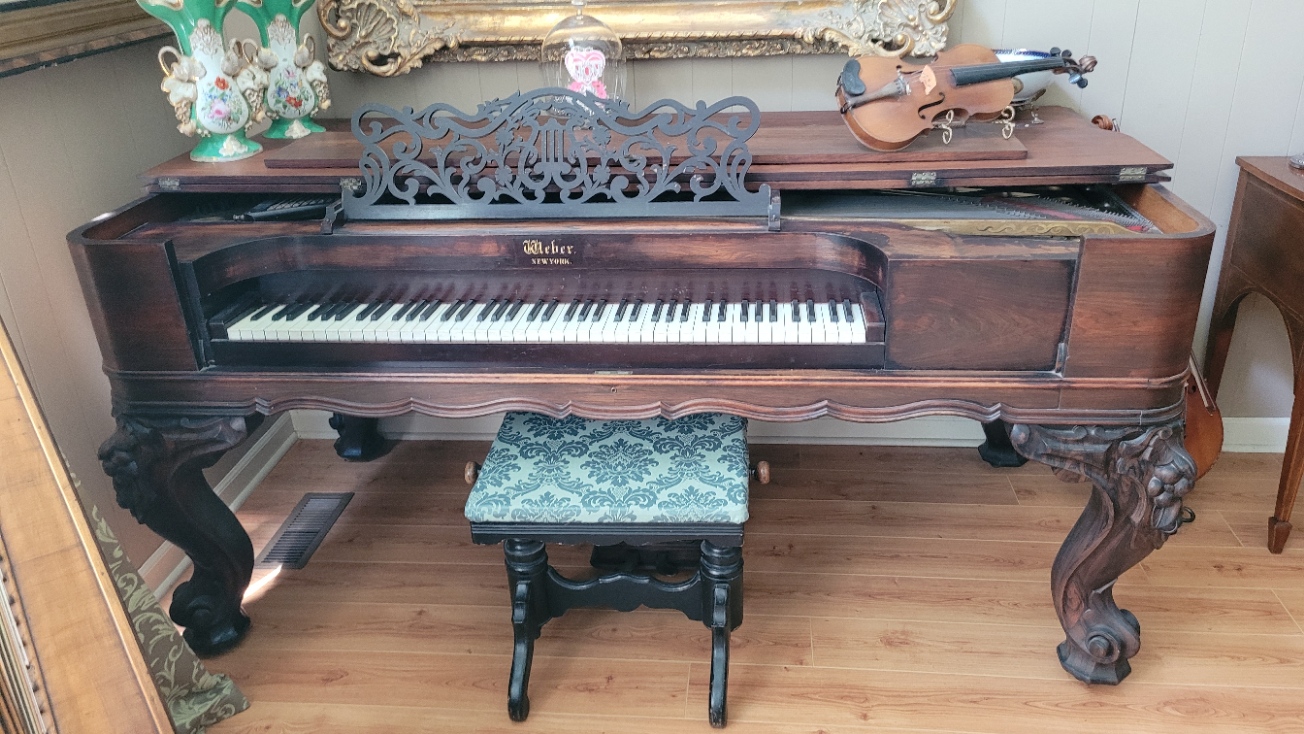
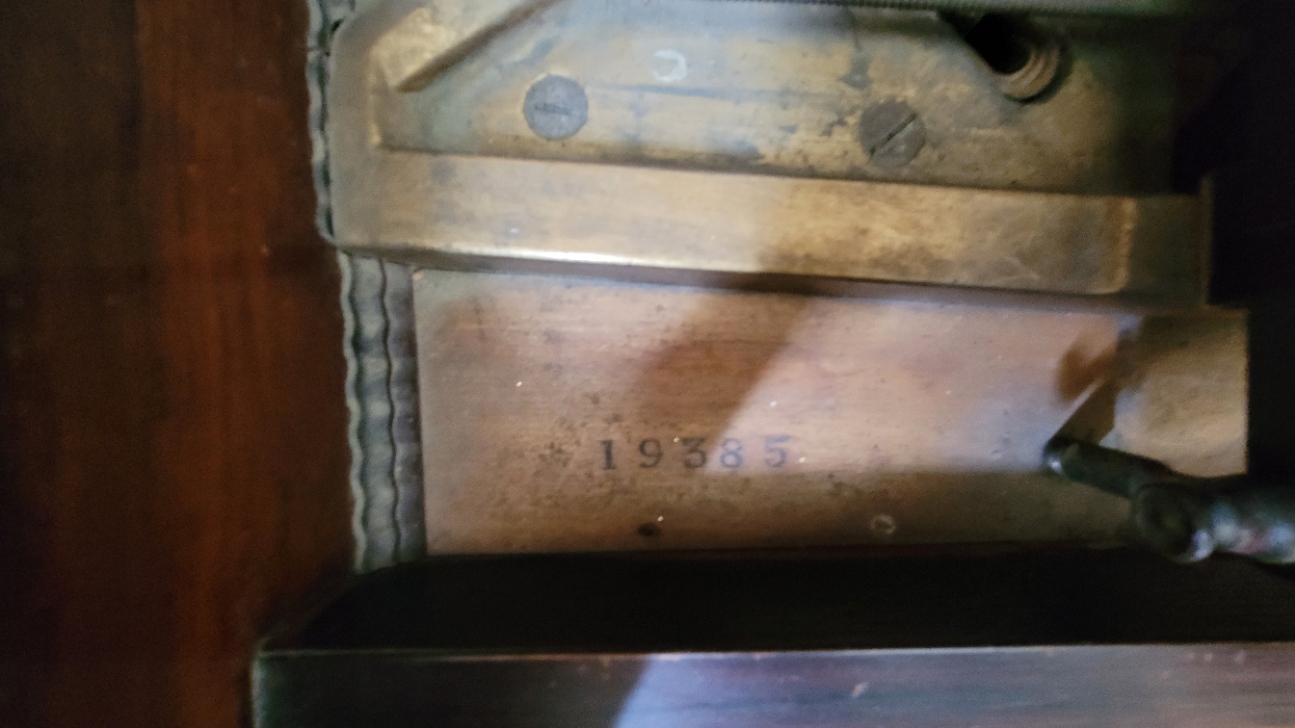
Here is a rare example of 19th-century American craftsmanship: an 1881 Weber Square Grand Piano (Serial No. 19385). Crafted during the golden age of Victorian cabinetmaking, this instrument pairs extraordinary architectural beauty with a legendary lineage. It stands equally as a high-end luxury furniture statement piece, a historic centerpiece, or a prime candidate for a master restoration.
Location: Located in a private residence near Fosterville, TN, just off Hwy 231 near the Rutherford/Bedford County line.
KEY SPECIFICATIONS & IDENTIFICATION
• Manufacturer: Weber Piano Company, New York, NY.
• Serial Number: 19385 (verified by original Weber manufacturing archives to 1881).
• Format: Victorian Rococo Square Grand (Rectangular Cabinet).
• Scale: 85-Key Configuration (7 Octaves).
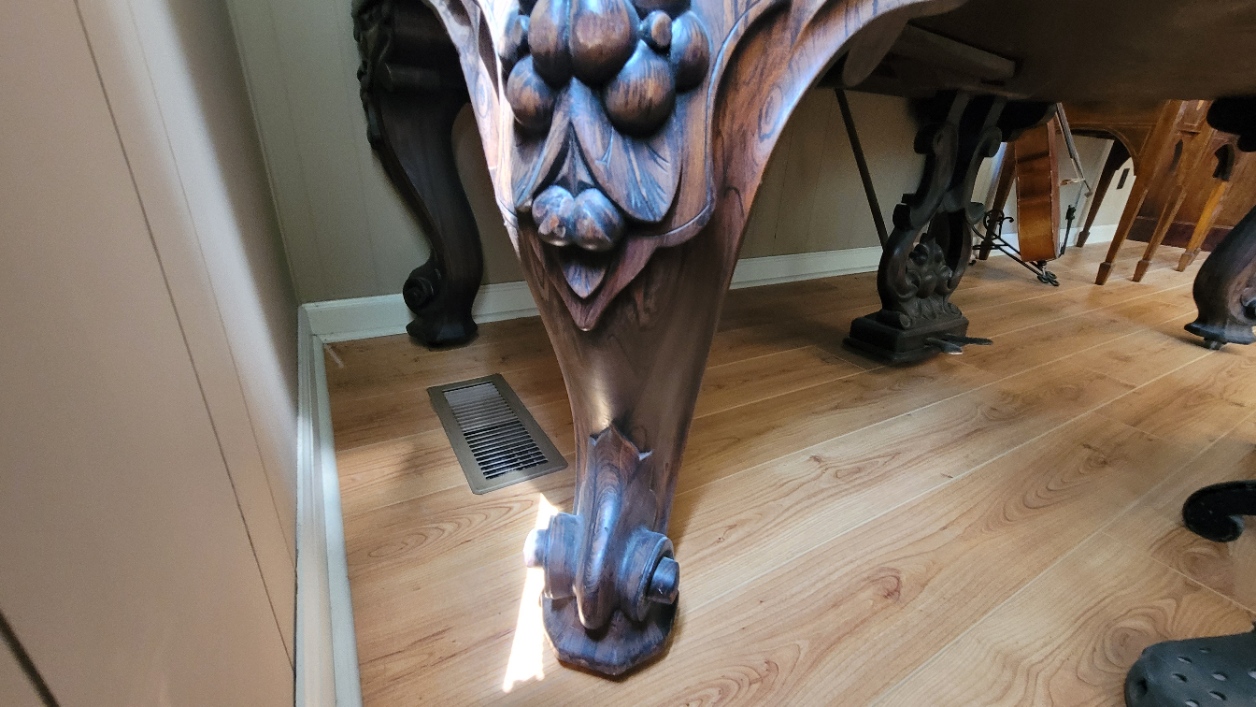
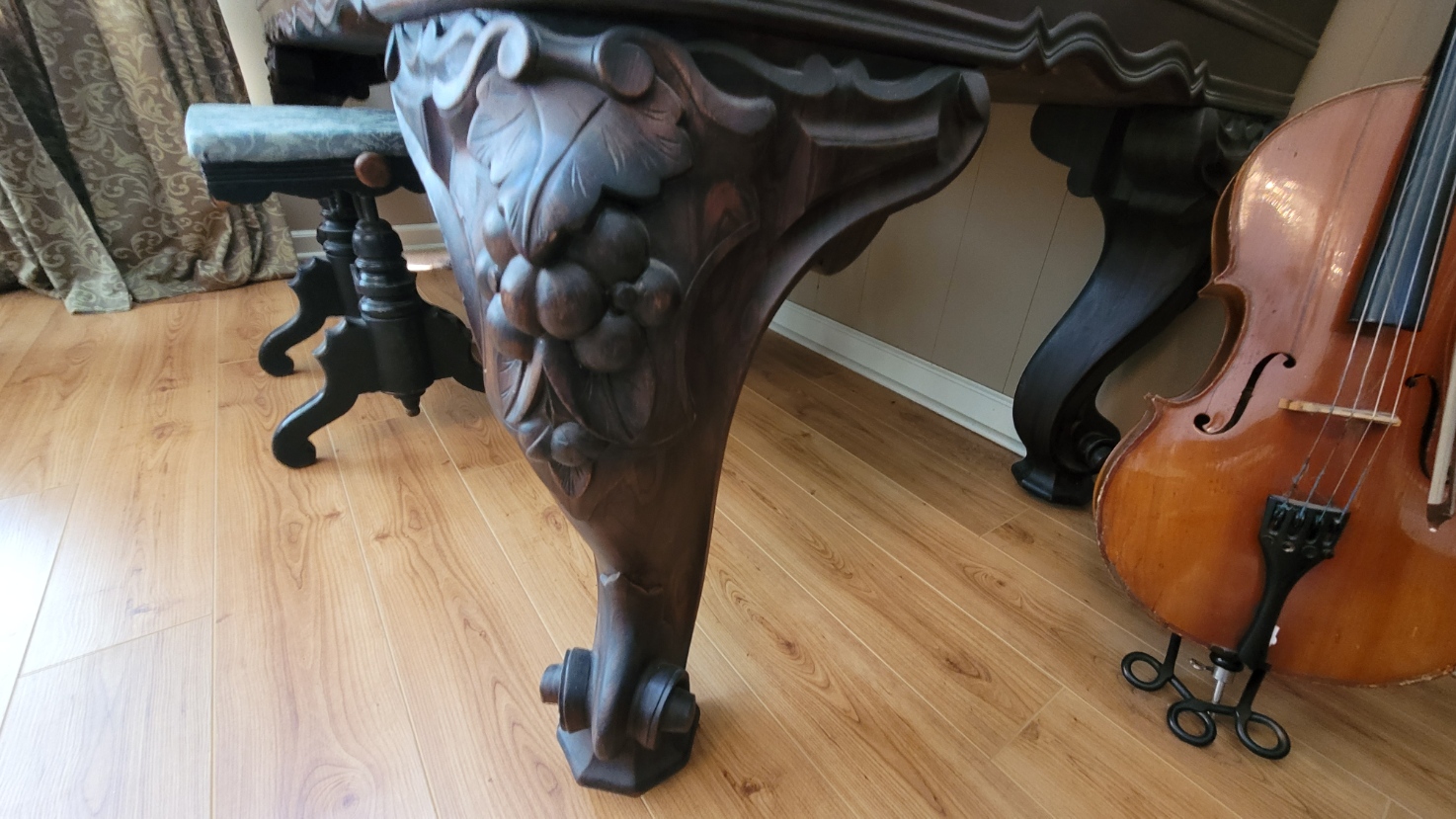
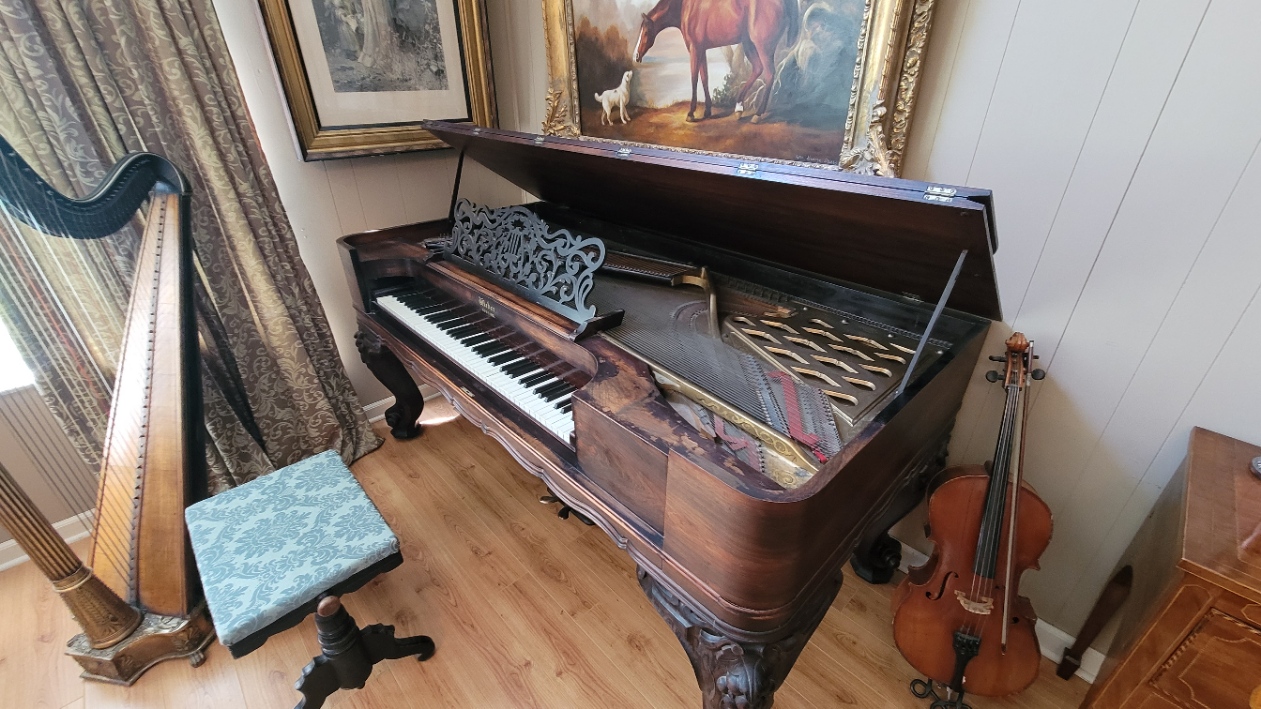
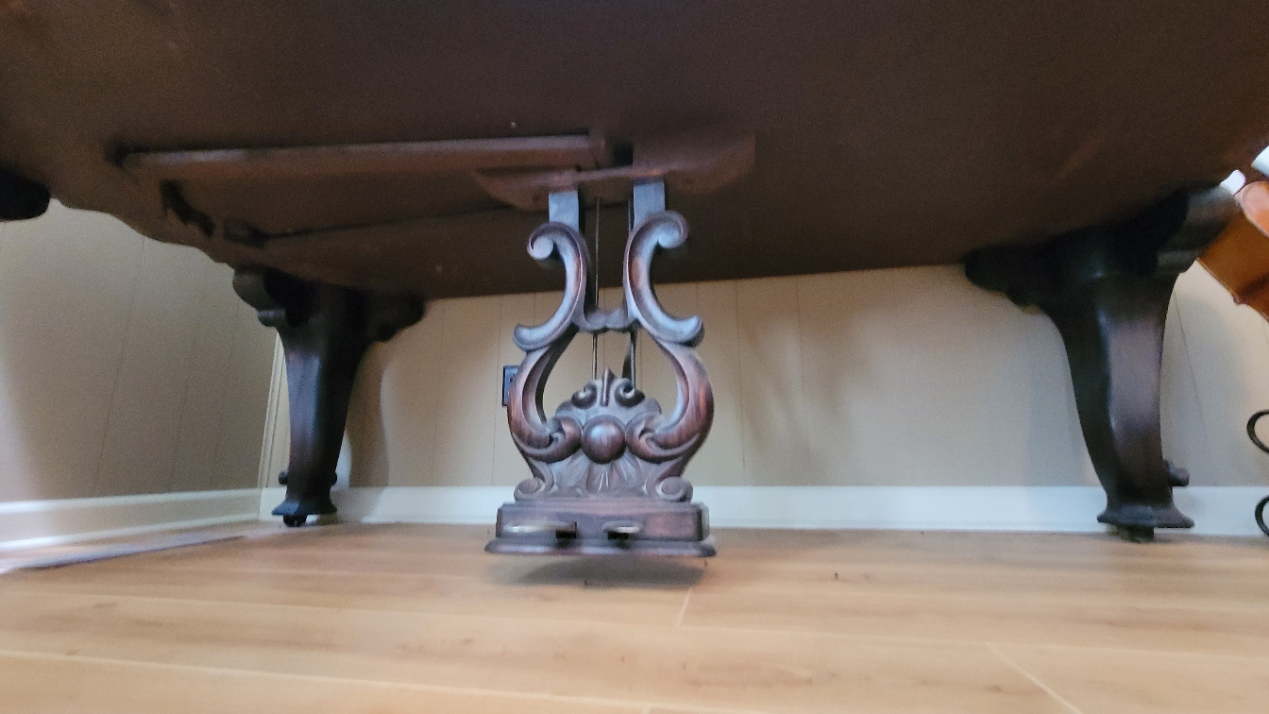
• Cabinet & Wood: Figure-grained, dark-finished solid Brazilian Rosewood case featuring heavily hand-carved Victorian cabriole legs with deep acanthus leaf and fruit motifs, sitting on original brass roller casters.
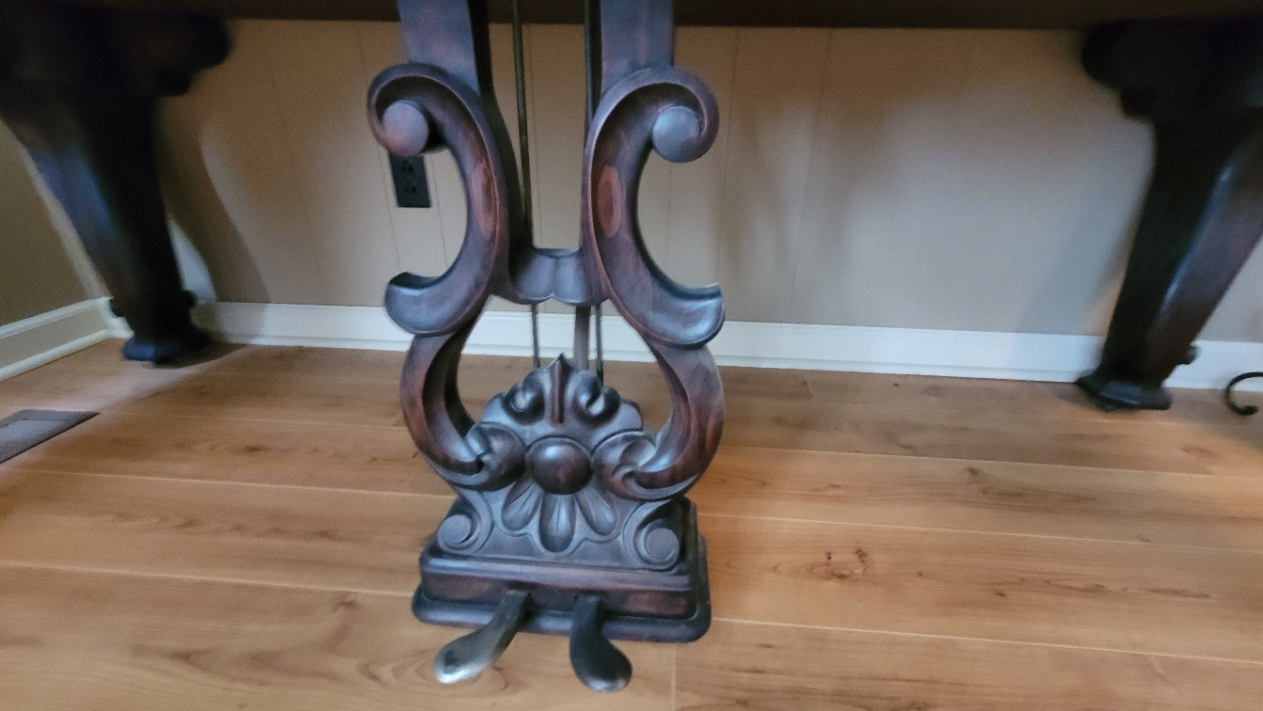
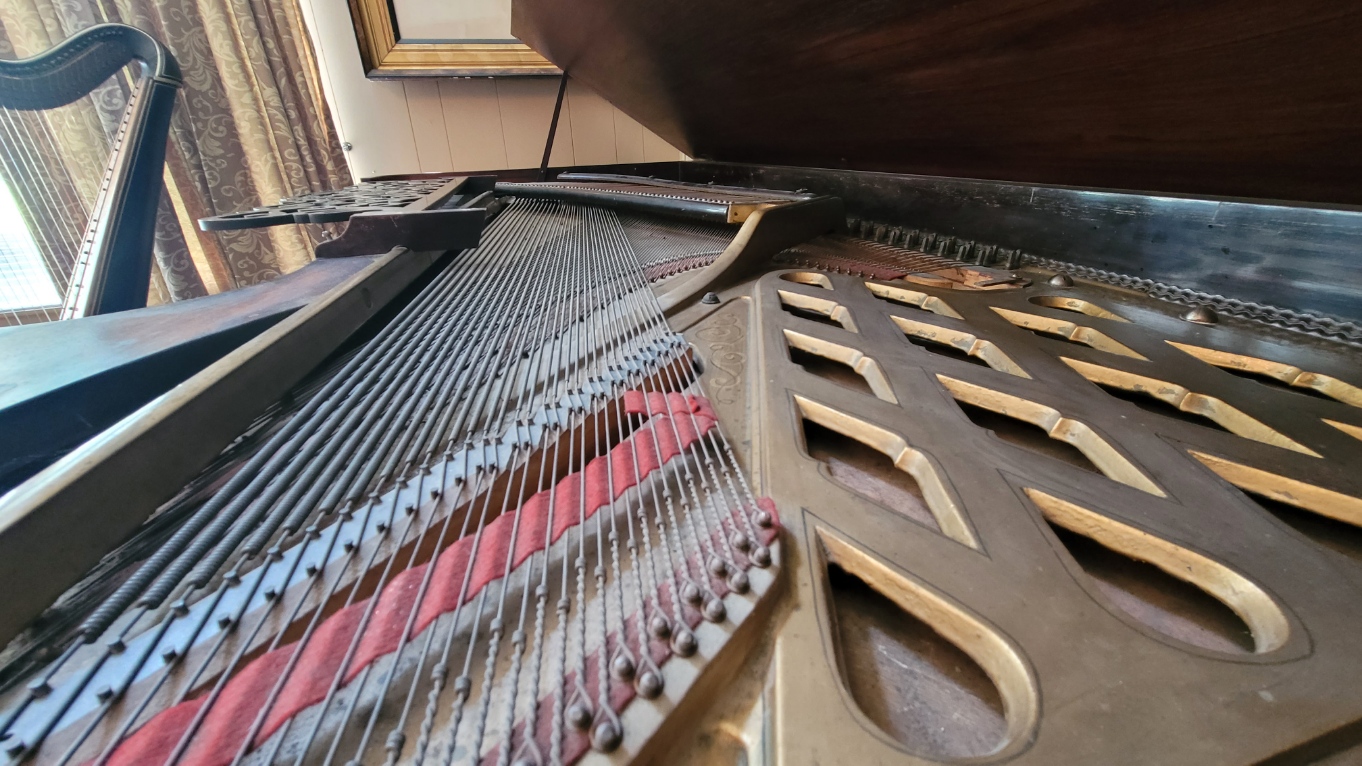
• Hardware & Ironwork: Ornate pierced open-work music desk, carved wooden double-pedal lyre, heavy cast-iron perimeter plate with decorative gold web/teardrop cutouts, and overstrung cross-bass scaling.
HISTORICAL PEDIGREE & BRAND PRESTIGE
In 1881, the Weber Piano Company was Steinway’s chief rival, producing some of the most expensive and prestigious instruments money could buy. In fact, original catalog records show Weber square grands of this caliber sold for around $850 in the late 1870s/1880s—the price of an entire residential home at the time.
• The Virtuosos: Ignacy Jan Paderewski—the legendary Polish pianist and future Prime Minister—toured exclusively with Weber pianos across North America, favoring their rich tone over Steinway. Moriz Rosenthal, the celebrated pupil of Franz Liszt, composed his famous works on a Weber.
• The “Piano of Royalty”: Dubbed “The Piano of the Royal Family,” Weber earned royal warrants from King Alfonso XIII of Spain in 1883 and supplied custom instruments for European royal courts, including Kaiser Wilhelm II of Germany and the Vatican under Popes Pius X and XI.
VALUATION & MARKET REALITIES
-
Current As-Is Private Market Value: $1,000 – $2,000 In its current unrestored condition, this instrument represents a compelling acquisition for a home decorator, antique investor, or private buyer looking for an authentic Victorian centerpiece. Because its outer cabinet, carved legs, lyre, keyboard, and soundboard perimeter are remarkably intact without major visible structural gouges, it stands in the stronger upper bracket of original, unrestored pieces.
-
Fully Restored Market Ceiling: Up to $35,000 (Hard Cap) If submitted to a specialized antique piano restoration house for a complete mechanical rebuild, pinblock replacement, restringing, and high-end cabinet refinishing, fully restored Weber square grands sell for up to $35,000, but no more than that.
Important Restoration Note: Because a total rebuild requires $15,000 to $25,000+ in specialized master labor and custom parts, the market caps out at $35k. Rebuilders generally do not invest beyond this threshold, as $35,000 represents the upper retail ceiling achieved by specialty dealers (such as the Antique Piano Shop) for fully restored 1880s Weber square grand models.
SUMMARY: WHY THIS INSTRUMENT STANDS OUT
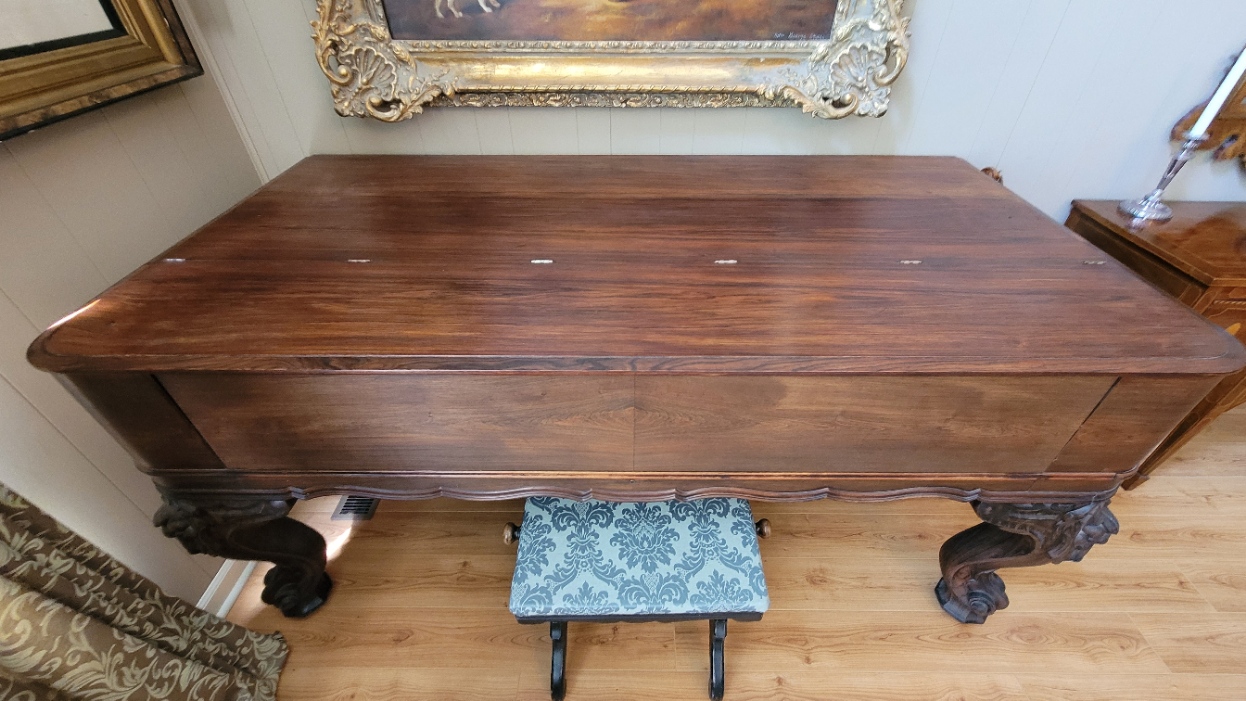
Whether showcased with the lid open to display its gleaming cast-iron plate and open-work desk, closed as an opulent Victorian sideboard, or fully rebuilt to bring authentic 1880s acoustic warmth back to life, this 1881 Weber is a surviving artifact from the peak era of American piano manufacturing. It is a bold, luxurious piece of musical history that commands immediate attention in any space.
==================================================
SELLER NOTES FOR BUYER: REMOVAL & TRANSPORT
OVERVIEW
Moving this 1881 Weber square grand is much more straightforward than moving a traditional wing-shaped grand piano. When closed, the cabinet folds up into a self-contained, completely flat rectangular box—just like a heavy Victorian dresser or sideboard.
Once tilted onto a padded piano board on its straight side, it maneuvers easily through standard residential doorways.
LOCATION & ACCESS
• Pickup Location: Private residence near Fosterville, TN (off Hwy 231 near the Rutherford/Bedford County line). • Access: Ground level / standard residential doorway extraction.
ACTUAL DIMENSIONS
I ran an analysis combining the original 1881 Weber factory scale blueprints with spatial measurements from detailed photos of the piano—cross-referencing room fixtures, floor planking, and surrounding furniture dimensions. Based on that, the main cabinet ‘box’ (with legs and lyre removed) comes out to approximately: Length: 78″ to 80″ (~6.5 to 6.6 ft) Depth (Front-to-Back): 38″ to 40″ Box Height/Thickness: 16″ to 17″ (Total standing height on legs is ~38″–39″)
ESSENTIAL PREPARATION & CREW REQUIREMENTS
• Crew Size: Minimum of 4 physically capable people to handle the weight smoothly. • Moving Equipment Needed:
-
Standard heavy-duty piano skid board (piano board) with ratchet tie-down straps
-
4-wheel heavy-duty piano dolly
-
4 to 6 moving blankets and stretch wrap
-
Screwdriver or small hand tool set (to detach the pedal lyre underneath) • Floor Protection: Blankets or cardboard to protect interior floors along the exit path.
EASY LEG REMOVAL (HAND-CARVED WOODEN THREADS)
• The four heavy cabriole legs feature original hand-carved wooden screw threads that simply unthread counter-clockwise straight out of the cabinet frame—no lag bolts, wrenches, or special tools required.
• Precaution: Lift the weight off each leg before turning so the vintage wooden threads unthread smoothly without binding.
SIMPLE 4-STEP REMOVAL PROCESS
-
Fold & Secure: Close the lid, fallboard (keyboard cover), and fold down the music desk. Wrap the main cabinet in blankets.
-
Remove Lyre: Unbolt the bottom pedal assembly while the piano is flat.
-
Tilt & Unscrew Legs: Lift one end, tilt the flat side of the cabinet onto the padded skid board, and unthread the four legs by hand.
-
Strap & Roll: Strap the cabinet firmly to the board, set it onto the 4-wheel dolly, and roll it straight out the door on its side.
DISCLAIMER
The piano is sold “As-Is, Where-Is.” The buyer assumes all responsibility for providing their own crew, equipment, labor, transport, and liability during removal.